5 Foods That Fight Menopause Bloating
 By
/ June 12, 2026
By
/ June 12, 2026 
If your jeans fit fine in the morning but feel two sizes too small by dinner, you are not imagining it. Bloating is one of the most common and most frustrating complaints women report during perimenopause and menopause. The good news: what you put on your plate can make a real difference. The right foods for menopause bloating work with your changing body instead of against it, especially when you support your gut at the same time.
Below are five everyday foods that may help ease that puffy, heavy feeling, plus the why and the how behind each one. First, a quick look at why bloating tends to ramp up after 45 in the first place.
Why Menopause Bloating Happens (And the Gut-Estrogen Connection)
During the menopause transition, estrogen levels rise and fall unpredictably before settling lower. Estrogen influences how your body holds water, how quickly food moves through your digestive tract, and even how your gut bacteria behave. When estrogen dips, digestion can slow down, water retention can climb, and gas can build up more easily. The result is that familiar bloated, sluggish feeling.
Here is the part many women never hear about: your gut and your hormones are in constant conversation. A specific community of gut bacteria, sometimes called the estrobolome, is thought to play a role in how the body processes estrogen. When your gut microbiome is out of balance, that process can get bumpy, which may add to bloating and discomfort. We dig into this more in our guide on menopause belly fat and gut health, and you can read the bigger picture on the truth about probiotics and hormones.
This is exactly why supporting your gut, through both food and a quality probiotic, is the foundation for feeling more comfortable, not just a quick fix. Let’s get to the foods.
1. Fermented Foods: Plain Yogurt and Kefir
Fermented foods are the heavy hitters on this list because they deliver live, beneficial bacteria straight to your gut. A balanced gut microbiome may support smoother digestion and a more comfortable feeling by the end of the day.
Why it helps
Plain yogurt and kefir contain live cultures that may help maintain a healthy balance of bacteria in the digestive tract. A well-supported gut tends to move food along more comfortably, which may mean less of that trapped, swollen feeling. Because your gut also plays a role in how your body handles estrogen, keeping it balanced is especially relevant during menopause.
How to use it
- Choose plain, unsweetened yogurt or kefir. Added sugar can feed less helpful bacteria and may worsen bloating.
- Look for the words live and active cultures on the label.
- Start with a small serving (half a cup) if you are new to fermented foods, then build up.
- Stir in fresh berries or a sprinkle of cinnamon for flavor instead of syrup or honey.
One important note: food is a wonderful daily habit, but the amount and variety of bacteria in a serving of yogurt can be inconsistent. That is where a targeted, daily women’s menopause probiotic earns its place, giving you a consistent, measured dose of strains chosen for midlife. More on that below.
2. Ginger: The Calming Root
Ginger has been used for digestive comfort for thousands of years, and it remains one of the simplest tools for a restless stomach.
Why it helps
Ginger may help support normal movement of food through the stomach, which may ease the heavy, overly full feeling that often follows meals. It is also widely valued for soothing occasional nausea and settling the digestive tract, both of which can flare during the hormonal ups and downs of menopause.
How to use it
- Steep a few thin slices of fresh ginger in hot water for a simple, soothing tea, especially after a large meal.
- Grate it into stir-fries, soups, and salad dressings.
- Blend a small knob into a morning smoothie with greens and fruit.
3. Fennel: An Old-Fashioned Bloat Soother
If you have ever seen a little bowl of fennel seeds at the exit of an Indian restaurant, there is a reason. Fennel has a long tradition as a digestive aid.
Why it helps
Fennel may help relax the muscles of the digestive tract and support the release of trapped gas, which is often the direct cause of that tight, distended feeling. Its mild, slightly sweet, licorice-like flavor also makes it easy to enjoy.
How to use it
- Chew about half a teaspoon of fennel seeds after a meal.
- Brew fennel seeds into a warm tea, on their own or combined with ginger.
- Slice raw fennel bulb thinly into salads for a refreshing crunch.
- Roast fennel wedges with olive oil as a gentle side dish.
4. Leafy Greens: Hydration and Fiber Without the Heaviness
Spinach, kale, arugula, and Swiss chard are quiet workhorses for a calmer belly.
Why it helps
Leafy greens are rich in fiber that helps keep you regular, and irregularity is a sneaky, very common contributor to bloating after 45. They are also naturally high in water and in potassium, a mineral that may help balance sodium and support healthy fluid levels, which may ease water retention. As a bonus, the fiber in greens acts as food for your beneficial gut bacteria, helping the good guys thrive.
How to use it
- Lightly steam or saute greens if raw salads feel hard to digest. Cooking can make them gentler on a sensitive gut.
- Toss a handful of spinach into soups, eggs, or smoothies, where you will barely taste it.
- Pair greens with healthy fats like olive oil or avocado to help absorb their nutrients.
- Increase fiber gradually and drink plenty of water so the added fiber works for you, not against you.
5. Papaya: The Enzyme Fruit
Papaya is a tropical favorite that doubles as a digestive helper, thanks to a natural enzyme it contains.
Why it helps
Papaya contains papain, an enzyme that helps break down protein, which may support easier, more complete digestion and less post-meal heaviness. It is also high in water and fiber, a combination that may support regularity and a lighter feeling overall.
How to use it
- Enjoy a few cubes of fresh, ripe papaya as a snack or with breakfast.
- Blend it into a smoothie with kefir for a gut-friendly double feature.
- Squeeze fresh lime over papaya to brighten the flavor.
- Eat it ripe. Underripe papaya can be harder on a sensitive stomach.
The Foundation: A Daily Probiotic Built for Midlife
Food is your daily defense, but it works best on top of a steady, supported gut. Because the gut-estrogen connection sits at the center of so much menopause bloating, a consistent menopause probiotic for women can act as the foundation the other foods build on.
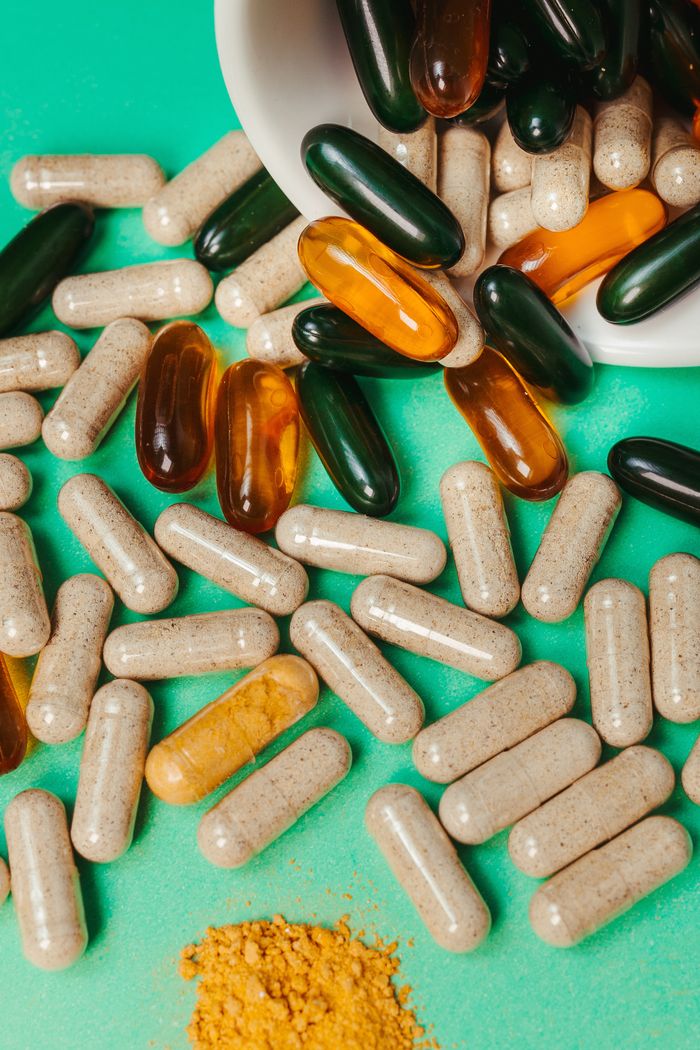
Our Prorevive for Women – Menopause Support is a hormone-free formula made specifically for this stage of life. It pairs Lactobacillus gasseri, a strain studied for its role in supporting gut balance, with botanicals like turmeric, moringa, and curry leaf that have a long history in women’s midlife wellness. Together they are designed to help maintain a healthy gut environment and support digestive comfort, day after day, without hormones.
If you are weighing your options, our overview of hormone-free menopause relief versus HRT and our checklist on how to choose a women’s menopause probiotic can help you decide what fits your life. You can also explore the full menopause guide for the bigger picture on managing symptoms naturally.
A Few Simple Habits That Help, Too
Alongside these foods, small daily choices can stack up:
- Hydrate. It sounds backward, but drinking enough water may actually help reduce water retention.
- Slow down at meals. Eating too fast lets in extra air, which adds to gas and bloating.
- Watch the salt. High-sodium packaged foods are a top driver of puffiness.
- Move your body. A short walk after meals may help digestion along.
- Protect your sleep. Poor rest can disrupt digestion and appetite. Our piece on sleep pattern changes after 45 has more.
FAQ
What foods make menopause bloating worse?
Common culprits include very salty packaged foods, added sugars, carbonated drinks, and large meals eaten quickly. Some women also find certain raw cruciferous vegetables or excess dairy harder to digest during menopause. Pay attention to your own patterns, since triggers vary from person to person.
How quickly can foods for menopause bloating help?
Some foods, like ginger and fennel tea, may bring a soothing feeling within an hour or two of a meal. Building a balanced gut through fermented foods, fiber, and a daily probiotic is more of a gradual, week-by-week process. Consistency matters more than any single meal.
Do I still need a probiotic if I eat yogurt?
Yogurt is a great habit, but the bacteria count and strains in food can be inconsistent. A dedicated women’s menopause probiotic gives you a measured, daily dose of strains chosen specifically for midlife, which is why many women choose to use both together.
Will a probiotic stop my bloating completely?
No supplement can promise to eliminate bloating, and everyone responds differently. A quality probiotic is designed to help maintain a healthy gut environment and support digestive comfort over time. It works best alongside the food and lifestyle habits above.
Are there probiotics that help with other menopause symptoms?
Many women look for gut support that also fits their wider symptom picture. If hot flashes and night sweats are on your radar, see our notes on the best probiotics for hot flashes and night sweats, and our comparison of Provitalize alternatives if you are shopping around.
Eat for a Calmer Belly, Starting Today
Menopause bloating can feel relentless, but you have more control than it seems. Lean on fermented foods, ginger, fennel, leafy greens, and papaya as your everyday allies, and give your gut the steady foundation it needs underneath them all. To make that foundation simple, a daily, hormone-free probiotic built for midlife can do the quiet work in the background. Explore Prorevive for Women – Menopause Support and start building a calmer, more comfortable gut today.
These statements have not been evaluated by the Food and Drug Administration. This product is not intended to diagnose, treat, cure, or prevent any disease.